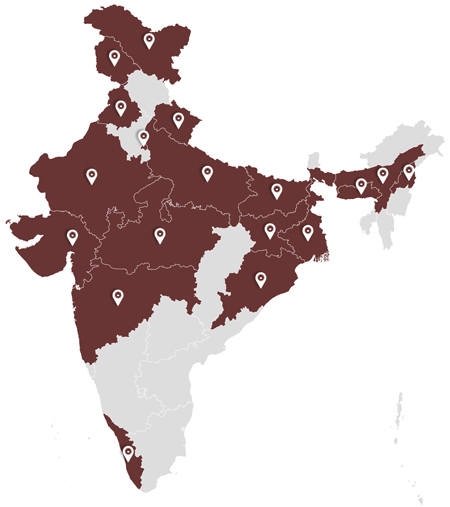
SELF EMPLOYED WOMEN’S ASSOCIATION (SEWA) is the single largest National trade union centre in India for the women workers of the informal economy. SEWA was founded by Elaben Bhatt on 12th April, 1972 and today our membership is 3.78 million poor, women workers across 20 states in India namely- Assam, Bihar, Delhi, Gujarat, Jharkhand, Kashmir, Kerala, Leh Ladakh, Madhya Pradesh, Maharashtra, Meghalaya, Nagaland, Orissa, Punjab, Rajasthan, Uttar Pradesh, Uttarakhand, West Bengal, Goa, Telangana. Our Headquarters is in Ahmedabad, Gujarat.
We belong to the vast, unprotected working population of our country, who are considered informal workers. Although the informal economy constitutes 93% of India’s labour force, yet we do not have any work security, income security or social security. Our significant contribution to the nation’s economy is largely uncounted, undercounted or invisible.
Our approach is to address the needs of the workers as a labourer, as well as a woman. Our goals are full employment and self- reliance.
The integrated and holistic view of the workers has given birth to new and innovative ways to fight poverty and vulnerability as well as to achieve Voice, Visibility and Validation for the women workers of the informal economy.



सेवा संगठन ज़िंदाबाद !! हम सब एक है !! स्वच्छ आकाश कर के रहेंगे !! (Long live SEWA !! We are…
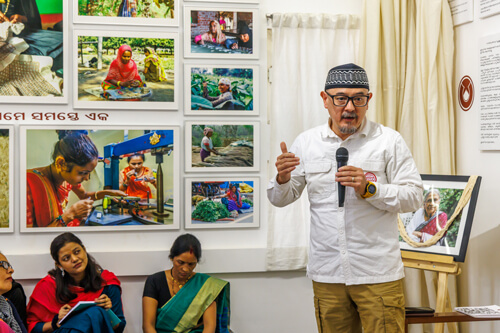
Regional secretary of IUF for Asia Pacific Hidayat Greenfield shared the global vision of Elaben which is inspiring women workers…
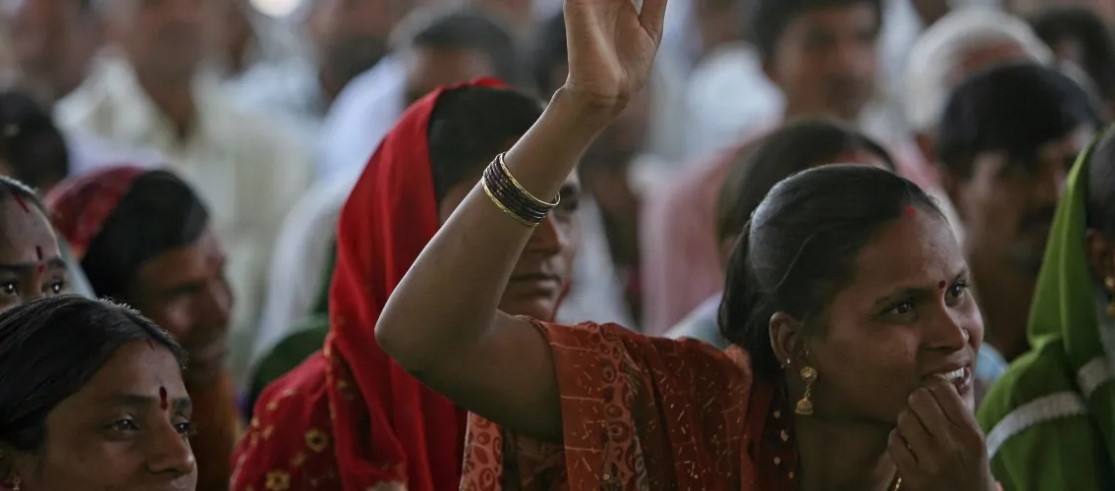
In a rapidly evolving world, the gender and development challenges are becoming increasingly complex and interlinked and lack of adequate…

The 28th IUF Congress, held in Geneva from June 13th to 16th, 2023, marked a significant moment for the Self-Employed…
On April 12, 2022 when SEWA was celebrating its 50 years of organising, our founder Elaben Bhatt introduced the concept “Swachh Akash” (Clean Skies). She asked the next generation cadre of leaders that our work should focus around building cleaner skies for our future generation, in the coming years. She said that poor women workers of the informal sector are disproportionately impacted by the increasing frequent and intense climate shocks.
It is important to recognize this and prepare them for the resilience in a manner that they have income and work security. The 3.7 million members of SEWA have collectively resolved to work towards making the surrounding and neighborhood air, water, and soil clean. This will lead the community to “Swachh Akash – cleaner, purer skies” for the younger generation and future generations to come.
At SEWA, we call this “Just Transition” –transition that generates green livelihoods, which are decent and dignified for the poor informal sector workers. Transition that is led by the women. The emphasis on just transition will help address three defining challenges of the twenty-first century – decent work, poverty eradication, and environmental sustainability.
SEWA has set-up a Green Transition Centre which works on understanding the issues faced by the poor informal sector workers in their lives and livelihood and the changes that they have been making to their lifestyle to adapt to the climate shocks. We at SEWA believe that there is opportunity in any adversity. The Centre works on various initiatives like increasing awareness about the climate shocks and its effect on the members, understanding the adaptation and mitigation measures taken by the members, scaling up the adaptation and mitigation initiatives, enabling financial linkages and policy interventions.

Santosh is engaged in waste collection under the traditional Birath system—a caste-based occupational role, she inherited from a co-worker who passed it on before her death.

As scorching heat affect’s India’s informal workforce, SEWA through its building Cleaner Skies Campaign responds by piloting the first ever ‘heatwave insurance,’ compensating them for days when temperatures exceed a…

https://www.just-stories.org/stories/agents-of-green-transition-gujarats-women-salt-farmers-signal-a-cleaner-fairer-future-for-informal-workers

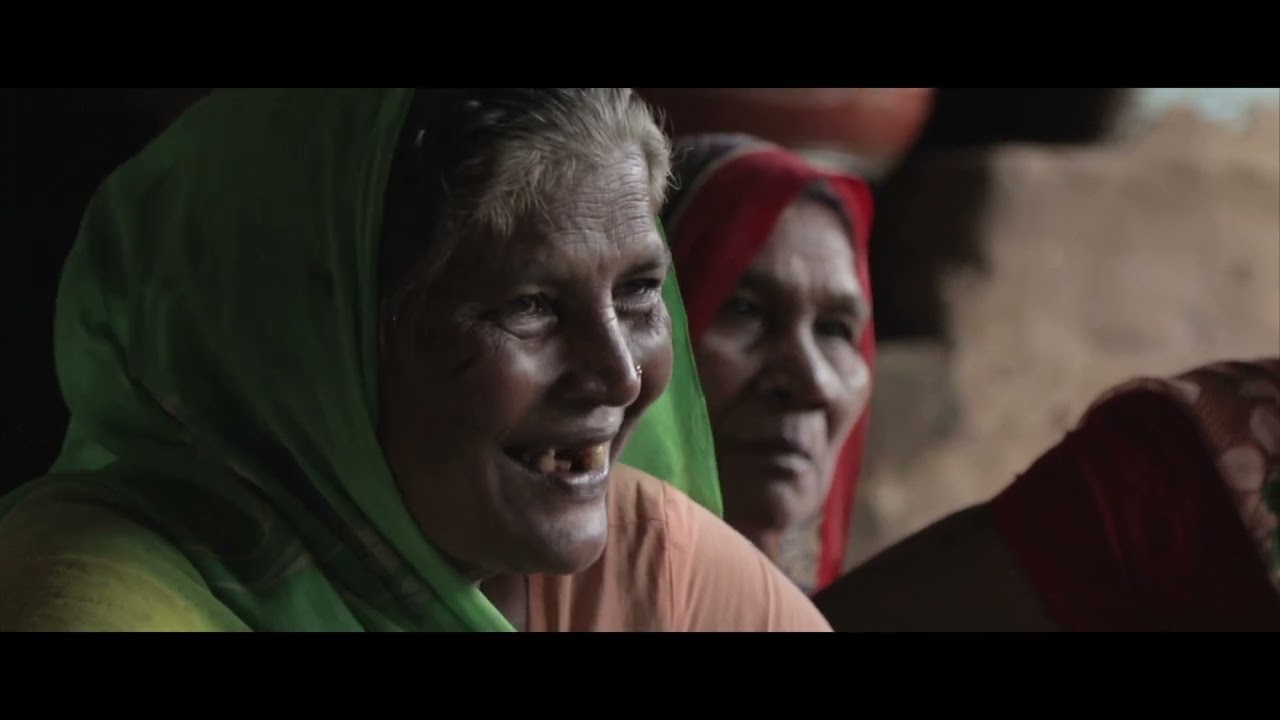
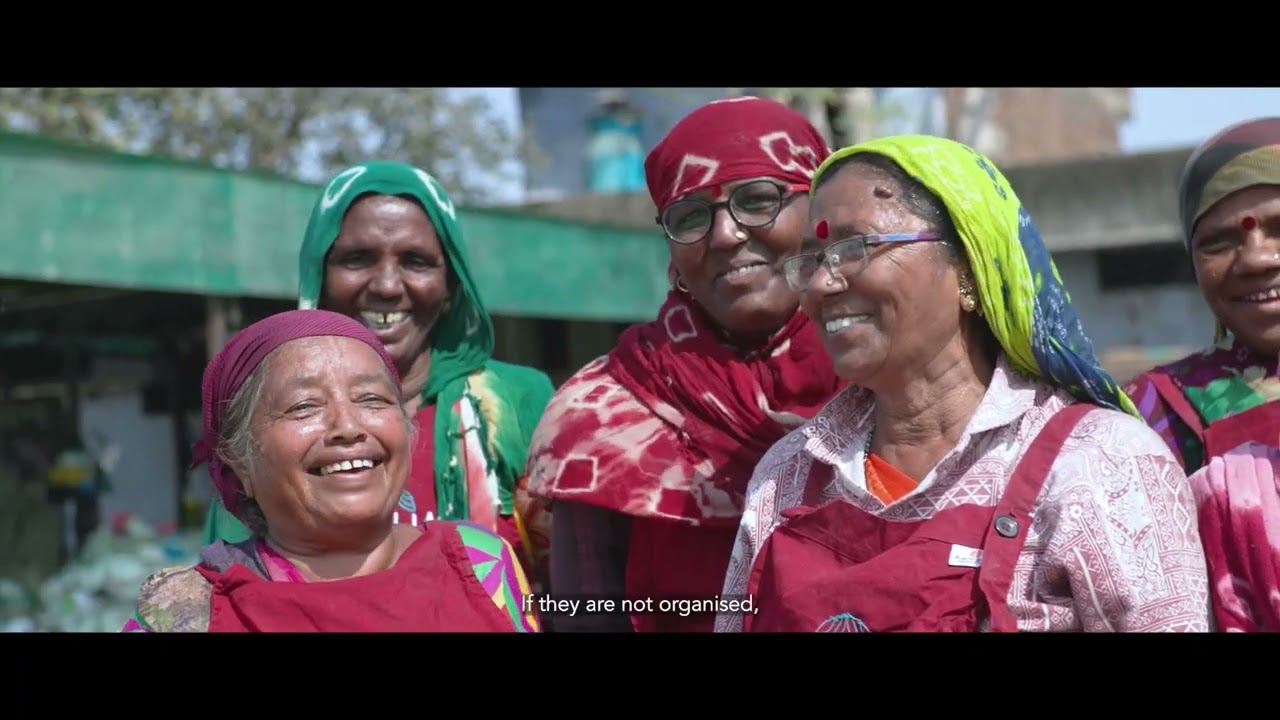
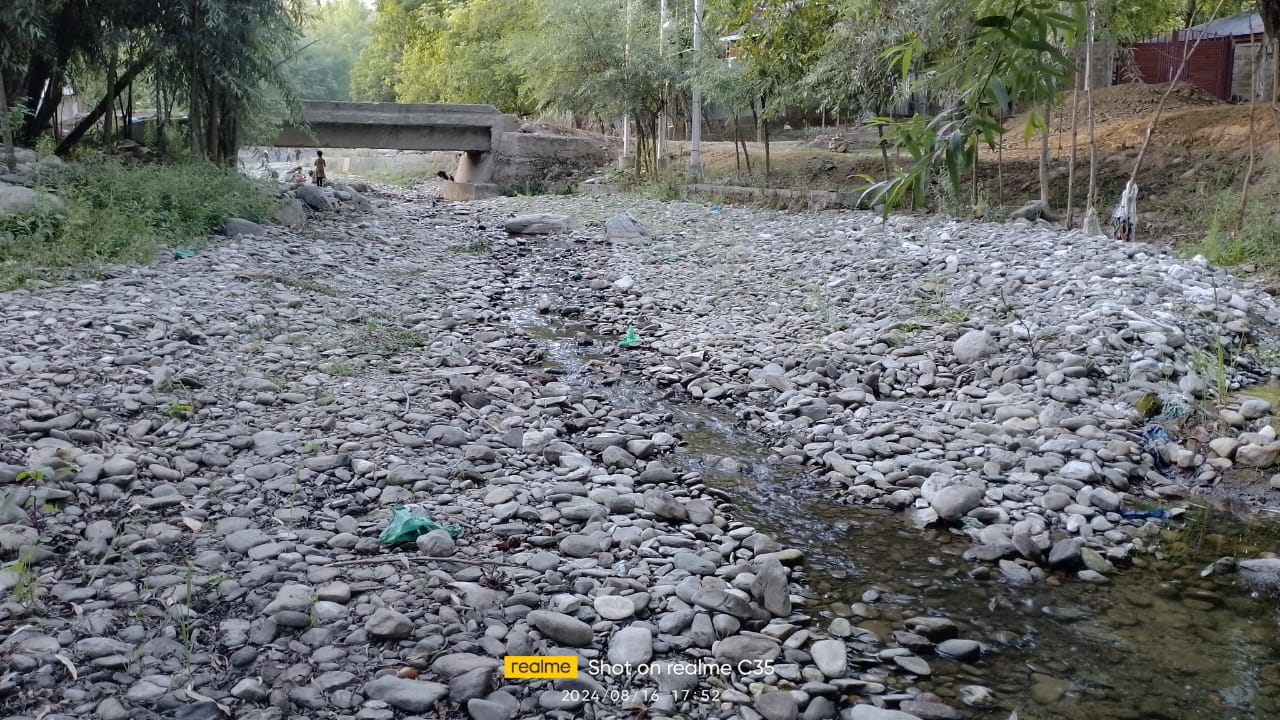
Kashmir, the northern state in India is commonly known as “Switzerland in India” for its cool climate, snowy winters and scenic beauty. As summers descend, thousands of tourist from various…